
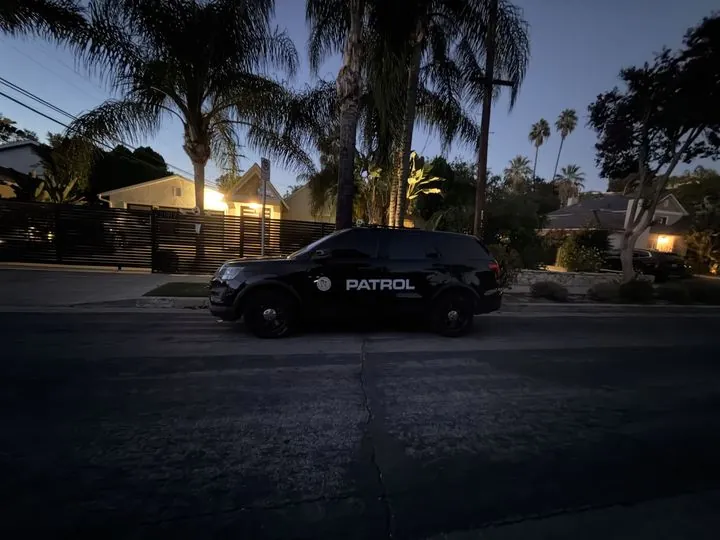
Most gated communities in Los Angeles County already have the obvious piece: a gate, a code and maybe a guard booth. What board members usually ask about is everything after that. Who checks the interior streets at 2 AM? Who notices the side gate that has been propped open for three days?
That is where mobile patrol and residential security come in. This guide covers how boards can think about coverage, what to put in a request, and how LDG builds a plan around a community.
Start with what is actually happening
Before anyone talks about patrol schedules, it helps to get specific. Boards that get the most out of security usually begin by collecting a few weeks of real information:
- Resident reports. Package theft, car break-ins, people in common areas after hours, tailgating through the gate, speeding on interior roads.
- Gate and camera records. If the community already has cameras or a gate log, look at when problems cluster. Late nights? Weekends? Holiday weeks when many owners are traveling?
- Weak points. Pedestrian gates, trails that connect to open space, construction access roads, the back side of a golf course or lake, and any spot where a fence line is easy to step over.
- Common areas. Pools, clubhouses, tennis courts, mailbox banks and guest parking are where many community complaints start.
This turns "we need more security" into a clear brief, for example "trespassing at the pool after 10 PM and two car break-ins near the north gate this month." A brief like that is what a security provider can actually plan around.
The main options for an HOA
Mobile patrol visits
A marked LDG patrol unit visits the community on a schedule, at randomized times, or both. Each visit can include perimeter, gate and door checks, sweeps of parking areas and common spaces, checks for trespassing, loitering and vandalism, and an incident report afterward.
Patrol is a good fit when the community wants a visible, regular presence without paying for an officer on site all night. Randomized timing matters: if visits always happen at the same hour, anyone watching learns the schedule.
A posted officer at the gate or clubhouse
Some communities want a person on site during set hours, at the main gate, the clubhouse, or both. An unarmed officer handles access control, visitor and vendor checks, customer service for residents and incident reporting. For higher-risk situations, the board can discuss armed coverage, though most residential communities start unarmed.
A posted officer makes sense when the gate sees heavy traffic from guests, deliveries, contractors and rideshares, or when the board wants someone who knows residents by name.
Camera coverage and remote viewing
For open stretches, construction areas inside a community, or a recurring problem at one spot, the AI Vehicle Surveillance Program puts a camera vehicle on site with 360° coverage that is viewed live and remotely. Through LDG's partners, communities can also add fixed cameras, LPR cameras and access control through security technology.
Cameras work best alongside people. A camera that is remotely viewed can spot something worth checking, and a patrol or on-site officer is who goes and looks.
Mixing them
Most HOAs end up with a combination: for example, a gate officer during busy evening hours plus randomized patrol visits overnight, or patrol visits plus a camera vehicle near a section of open fence. The right mix depends on the community's size, layout, budget and the problems in the brief.
What to put in your request
When a board or manager reaches out for a proposal, these details help LDG build an accurate plan and quote:
- The community. Number of homes or units, number of gates, interior road layout, and common areas.
- The problems. The specific incidents or concerns from your brief, with times if you have them.
- The hours. When coverage is needed most: overnight, weekends, holidays, or during special events.
- What already exists. Gate systems, cameras, lighting, a current security vendor, and what the board wants to change.
- Reporting. Who receives incident reports (the board, the manager, or both) and how often the board wants a summary.
- Rules and contacts. Community rules officers should know, towing policy, and who to call for after-hours decisions.
There is no fixed price list for this kind of work, because two communities with the same number of homes can need very different coverage. LDG quotes each community after understanding the property.
How it looks across Los Angeles County
Every community is different, and so is every part of the county:
- In Westlake Village and Thousand Oaks, many neighborhoods such as North Ranch and Lake Sherwood are already guard-gated. What associations ask for is often interior patrols, gate support and vacation watch for individual homes.
- In Calabasas and Hidden Hills, the focus is usually privacy: access control, patrol visits for gated communities and posted officers for individual estates.
- On the Palos Verdes Peninsula, large lots, long unlit approaches and equestrian properties make patrol checks and vacation watch common requests.
- In Pasadena and San Marino, historic homes and quiet residential streets lead to requests for patrol visits on residential streets and officers for gated properties.
- In the Valley, Encino and Sherman Oaks mix hillside estates with busy Ventura Boulevard, and neighborhood associations ask about patrols. In Woodland Hills, HOAs in Walnut Acres and along the Mulholland corridor often want visible patrols at night.
Tips for boards
- Agree on goals before choosing a vendor. "Fewer car break-ins near the north gate" is easier to measure than "more security."
- Tell residents what is changing. A short notice about patrols or a new gate officer cuts down on confused calls and helps residents know who to report concerns to.
- Read the reports. Patrol logs and incident reports show patterns. Review them every month or quarter and adjust the schedule.
- Plan for the calendar. Halloween, the winter holidays and summer travel weeks change how a community is used. Extra coverage can be added for those periods.
If your board is weighing patrols, a gate officer or camera coverage, LDG can walk the property and recommend a mix that fits your community and budget. Request a consultation or call or text (442) 288-6642.
Frequently asked questions
Do HOAs need a full-time guard, or are patrols enough?
It depends on the community. Many HOAs do well with randomized patrol visits, while communities with busy gates often add a posted officer during peak hours. LDG recommends a mix after looking at the property and the problems the board wants solved.
Can patrols be scheduled at random times?
Yes. LDG patrol visits can be scheduled, randomized, or both, so anyone watching the community cannot predict when the next check is coming.
Will the board get reports?
Yes. Incident reporting is part of patrol visits, and the board or property manager can decide who receives reports and how often they want a summary.
Can cameras be added to a patrol plan?
Yes. The AI Vehicle Surveillance Program provides a camera vehicle with 360° coverage that is viewed live and remotely, and LDG's partners provide fixed cameras, LPR cameras and access control.
How much does HOA security cost?
There is no one price, because coverage depends on the community's size, layout, hours and concerns. LDG quotes each community after understanding the property. Call or text (442) 288-6642 to start.