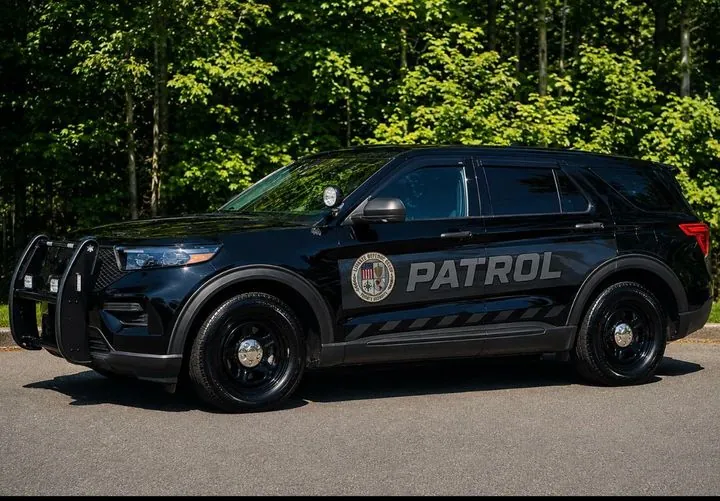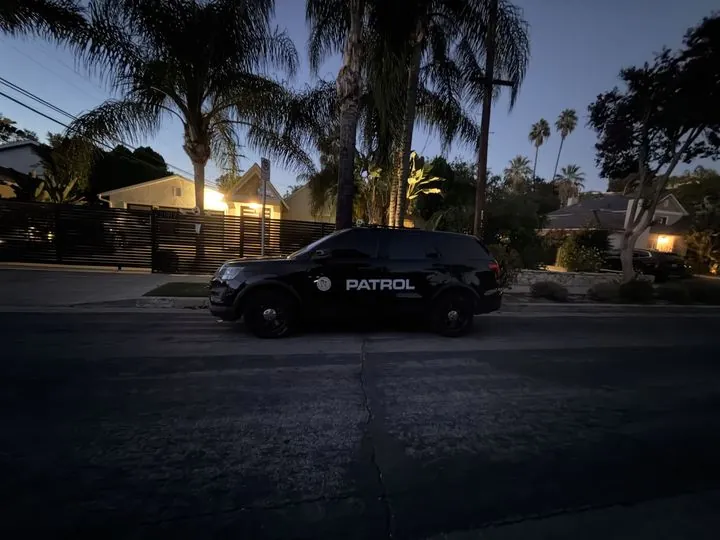
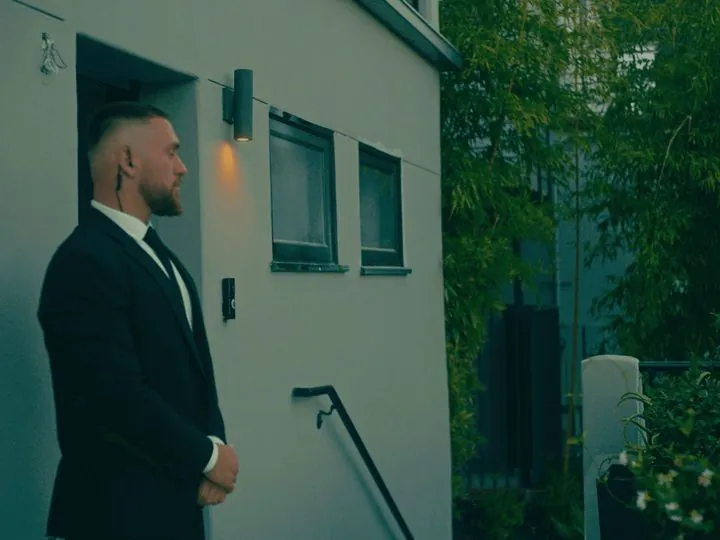
Most of the time a building's fire protection is invisible. The alarm panel sits in a closet, the sprinkler riser sits behind a door, and nobody thinks about either until the day one of them is shut off for repairs, fails an inspection, or simply is not installed yet. From that moment until the system is back in service, the building has no automatic way to catch a fire early.
That gap is what a fire watch covers. This checklist walks property managers, building owners, general contractors and homeowners in Los Angeles, Pasadena, Malibu, the Palisades and the rest of Los Angeles County through what to do, in order, when it happens to their property.
Step 1: Know why the system is down, and for how long
Start by writing down three facts, because every later decision depends on them:
- What is impaired. The whole fire alarm system, one zone, the sprinkler system, a fire pump, or a combination.
- Why. A planned upgrade, a repair after a failed inspection, a panel that stopped working on its own, hot work such as welding or torch-applied roofing, construction before permanent systems are live, or damage from a fire.
- The expected end. The date your fire protection contractor expects the system to be repaired, tested and back in service. Ask for it in writing and plan for it to slip.
An afternoon of sprinkler work and a six-week alarm replacement in an occupied building are very different posts.
Step 2: Find out who sets the conditions
A fire watch is rarely something a property decides on alone. Depending on the property and the reason, the people who may call for one include:
- The fire department. In the City of Los Angeles that is the Los Angeles Fire Department; Malibu and many unincorporated areas are served by the Los Angeles County Fire Department; Pasadena, Santa Monica and other cities have their own departments. Any of them may require a fire watch while a system is impaired.
- Your insurer. Property insurers often ask for a fire watch during an impairment or during hot work, and some have their own notification steps.
- Your contractor or developer. Many builders require a fire watch for hot work and keep it through the cool-down period afterward.
Ask each of them what they expect: how often rounds should happen, what must be logged, and who needs to be notified when the system goes down and when it comes back. If nobody specifies a round frequency, it gets set by agreement with your fire watch provider before the first shift. Keep it all in one place so everyone works from the same instructions.
Step 3: Walk the building and set the route
Before the first shift, walk the property with whoever will run the fire watch. LDG does this walk on every assignment, and it is where most of the planning happens. The route should reach:
- Every floor, including attics, basements and mechanical penthouses.
- Every stairwell and exit path, checking that doors close and exits are clear.
- Electrical, mechanical and storage rooms.
- Trash enclosures, loading docks and any place where materials or packaging collect.
- The area around any hot work, during the work and for the cool-down period after it.
Mark the alarm panel, the extinguishers, the exits and the people the guard calls. Older buildings deserve extra time here. A Pasadena office building with additions and back stairways, or a hillside home in the Palisades with a guest house below the main level, is easy to under-cover if the route is drawn from memory.
Step 4: Decide the hours and the staffing
A fire watch runs for as long as the reason for it lasts. That can mean:
- One shift for a day of hot work and its cool-down.
- Nights and weekends for an occupied building whose system is down while contractors work during the day.
- Every hour the property is empty for a vacant building or a job site where nothing is live.
Large buildings can need more than one guard so that each round is finished in a reasonable time. Be honest about the size of the property when you ask for a proposal; a route that cannot be completed at the required interval is not really a fire watch.
Step 5: Know what the guard does, and what they do not
A fire watch guard patrols the set route and looks for smoke, heat, odors, blocked exits, propped fire doors and stored combustibles. Each round is written in a fire watch log with the time, the areas checked and anything found. Hazards go to your contact the same shift, and the log stays on site for the fire department, your insurer or your team to review.
A fire watch guard does not fight fires. If they find one, they call 911, alert the people on the property and meet the fire department when it arrives.
Step 6: Plan the handoff when the system comes back
When the system is repaired and back in service, the fire watch can usually stop. Confirm the end with whoever required it, keep a copy of the log, and decide whether the property still needs anything else. Construction sites often move straight into construction site security, and some buildings keep an unarmed security officer or mobile patrol visits once the immediate risk is over.
Fire watch around Los Angeles County
The reasons for a fire watch change from one part of the county to the next:
- In Los Angeles, common posts are apartment and office buildings with an alarm panel or sprinkler riser under repair, warehouses in the Valley, and hot work on roofs and tenant spaces.
- In Pasadena, many older buildings are getting new alarm and sprinkler systems, and Altadena is still rebuilding after the Eaton Fire.
- In Malibu and Pacific Palisades, new homes on rebuild lots often go up long before their systems are finished.
- In Santa Monica, Woodland Hills and Encino and Sherman Oaks, retail centers, office buildings and apartment communities face the same panel failures and renovations.
Pricing depends on the hours, the number of guards and how long the fire watch runs. Longer agreements get lower rates, and requests made with less than 7 days' notice carry an upcharge, so call as soon as you know a system is coming down. Published guard ranges are on our rates page.
If a system at your property is coming offline, or already is, request a consultation or call or text (442) 288-6642 and we will walk the property with you and set up the post.
Frequently asked questions
How soon should I arrange a fire watch?
As soon as you know a system will be shut down or hot work is scheduled. Planned work gives time for a walkthrough and a clear route, and requests made with less than 7 days' notice carry an upcharge.
How often does the guard make rounds?
The fire department or your insurer may set the interval. When neither does, it is agreed with you before the first shift, based on the size of the property and why the system is down.
Do I still need a fire watch on a construction site with no one living there?
Often yes. A framed or partly finished building with no working fire protection, lumber on site and hot work under way is exactly the situation a fire watch is meant for, and builders and insurers often require one.
What happens to the log when the fire watch ends?
It stays with you. Keep it with your project or building records so you can show the fire department or your insurer every round that was completed.